
Soil Testing: The Foundation of Effective Lawn Management
Ever wonder why some lawns look magazine-perfect while yours struggles? You follow every tip, buy premium fertilizers, and water consistently, yet your grass still looks stressed and thin. Last spring, soil testing revealed my neighbor’s soil was too acidic and lacked essential nutrients, and after following the recommendations, his lawn transformed completely. Most homeowners skip soil testing, missing critical insights about pH imbalances, nutrient deficiencies, and soil structure issues, but this guide will help you understand what your lawn truly needs.
Understanding Soil Testing Fundamentals
Soil testing examines the chemical composition of your lawn’s growing medium. This analysis reveals exactly what your grass has access to and what it’s missing. Consider soil testing like getting blood work done because it shows what’s happening inside that you can’t see from the outside.
Every lawn has unique soil conditions, and two yards on the same street can have completely different soil needs. Factors like previous land use, drainage patterns, and natural soil composition create these differences. Texas presents specific soil challenges that make testing even more important, as much of our state has clay soil that becomes waterlogged easily, while other areas have sandy soil that drains too fast, and many regions naturally have high alkaline levels that block nutrient absorption.
Without testing, you’re treating symptoms instead of causes. Brown patches might indicate disease, but they often signal nutrient deficiencies. Thin grass might seem like a watering issue, but poor soil pH could be the real problem, making it impossible to achieve the healthy lawn you want.
DIY Testing Kits vs Professional Laboratory Analysis
You can test soil through home kits or professional labs. Each method serves different purposes and situations. Home kits work well for basic monitoring and quick decisions, while professional labs provide comprehensive analysis for complex problems. The choice depends on your lawn’s current condition and your specific goals. Most homeowners start with home kits to get familiar with their soil before moving to professional testing if needed.
Home Testing Kits
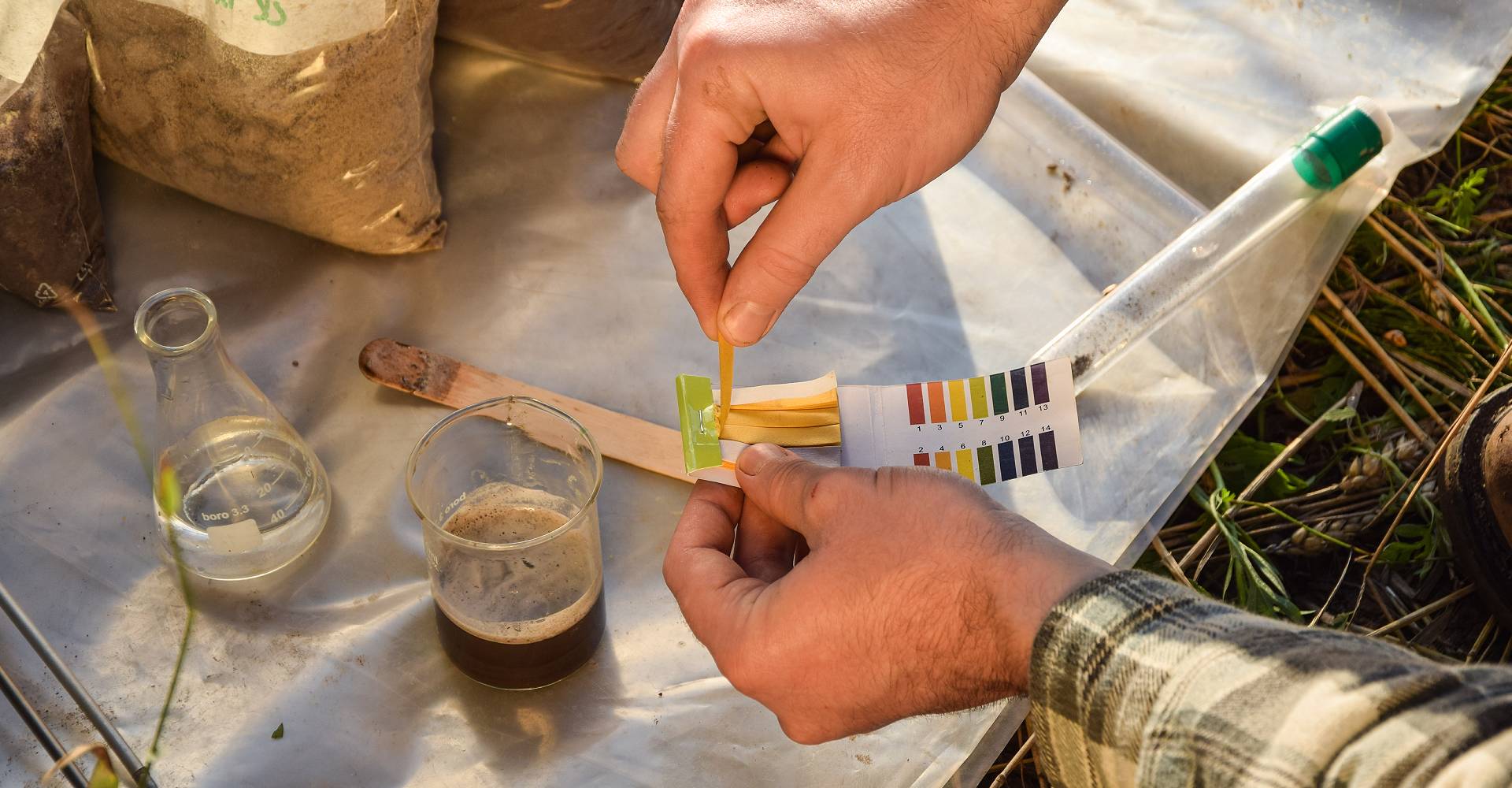
Basic soil kits cost $10-25 and provide immediate results. These kits test fundamental factors like pH and primary nutrients. You collect soil samples, follow simple instructions, and get color-coded results within an hour. You can find these kits at any home improvement store or order them online for convenient access.
Benefits of Home Kits:
- Instant results without waiting
- Low cost for basic information
- Easy to use with clear instructions
- Great for routine soil monitoring
Drawbacks of Home Kits:
- Less precise than laboratory testing
- Limited to basic measurements only
- User errors can affect the accuracy
- No detailed improvement recommendations
Professional Laboratory Services
Laboratory testing costs $35-75 but delivers comprehensive soil analysis. These tests examine micronutrients, soil texture, and organic content that home kits cannot measure. Professional labs use precise scientific equipment that provides accurate measurements you can trust for important lawn care decisions. Many laboratory reports also include detailed recommendations explaining exactly what amendments to apply and when to use them.
Benefits of Laboratory Testing:
- Scientific accuracy and precision
- Complete nutrient profile analysis
- Soil structure and composition data
- Detailed recommendations for improvements
- Best for solving persistent problems
Drawbacks of Laboratory Testing:
- Results take 1-2 weeks to receive
- Higher cost than basic kits
- Requires mailing samples to facilities
Making the Right Choice
Use home kits when you want quick, basic information or need to monitor soil changes over time. Choose laboratory testing for new properties, ongoing lawn problems, or when planning major landscaping projects. Professional testing delivers more detailed results that reveal micronutrients and soil structure issues that home kits cannot detect. Additionally, professional services understand how to interpret these complex results and can recommend specific solutions that work best for your particular lawn conditions.
What Soil Analysis Reveals About Your Lawn
Soil testing uncovers critical information that directly affects grass health and appearance. Here’s what these tests measure. This data eliminates guesswork and prevents wasted money on treatments your lawn doesn’t actually need. Understanding your soil’s current state allows you to make targeted improvements rather than applying random products. With accurate soil information, you can create a customized care plan that addresses your lawn’s specific deficiencies and strengths.
Acidity and Alkalinity Levels
pH measures soil acidity on a 0-14 scale, and most grass varieties prefer slightly acidic to neutral conditions between 6.0 and 7.0. Texas soil commonly runs alkaline above 7.0, which prevents proper nutrient uptake because wrong pH levels lock nutrients away from the grass roots. Even nutrient-rich soil becomes useless when pH prevents absorption, creating yellowing, weak growth, and increased weed invasion that makes effective weed control more challenging.
Essential Nutrient Content
Tests measure both major and minor nutrients that grass needs for healthy growth. Each nutrient plays a specific role in maintaining your lawn’s health and appearance. When even one nutrient becomes deficient, it can impact how effectively your grass utilizes all the other available nutrients.
- Nitrogen creates a green color and promotes blade development
- Phosphorus builds strong root systems
- Potassium increases disease resistance and stress tolerance
- Iron prevents yellowing in alkaline conditions
- Zinc supports overall plant function
Physical Soil Properties
Professional analysis also examines soil composition and organic matter content. This data reveals drainage characteristics and structural issues. Understanding your soil’s physical makeup helps you choose the right grass varieties and watering schedules for your specific conditions. Higher organic matter content means better nutrient retention and improved soil structure, while low organic matter indicates a need for compost or other amendments.
Heavy clay holds moisture and nutrients but can become compacted and waterlogged. Light, sandy soil drains quickly but requires more frequent watering and feeding. Understanding soil texture helps you adjust care practices appropriately. This knowledge prevents common mistakes like overwatering clay soil or under-fertilizing sandy soil. Armed with soil composition data, you can create a care routine that works in harmony with your soil’s natural characteristics, rather than against them. This includes proper timing for lawn aeration, overseeding, and top dressing applications.
How Often Should I Test My Lawn Soil?
Test established lawns every 2-3 years under normal conditions. Some situations require more frequent testing. This timeframe enables you to track gradual changes in soil chemistry without incurring unnecessary expenses on tests. Normal conditions mean your lawn looks healthy, grows consistently, and doesn’t show signs of stress or disease. However, if you notice declining grass quality or persistent problems, don’t wait for your scheduled testing time.
Annual testing recommended:
- New home purchases
- Ongoing lawn health issues
- After major landscaping changes
- Following soil treatment applications
Best testing times: Spring testing (March-April) works best in Texas because you can address issues before the peak growing season. Fall testing also works if you’re planning next year’s improvements. Avoid testing right after fertilizing, during extreme drought, or when soil is saturated from heavy rain. These conditions can produce inaccurate results.
Professional Testing Schedules
Many homeowners overlook the importance of regularly testing their soil, thereby missing opportunities to catch problems early. Professional lawn care services can manage testing schedules for you, ensuring tests happen at optimal times each year. This consistent monitoring allows professionals to track soil changes over time and adjust treatments before problems become visible in your lawn. When you hire professionals for regular testing, you eliminate the guesswork about timing and never miss essential soil health checkups that keep your lawn thriving.
Understanding Your Soil Test Report
Soil reports look technical, but contain straightforward information once you understand the format. Don’t be intimidated by the numbers and charts at first glance. Most reports organize information in clear sections that make it easy to find what you need to know. Once you read through your first report, future tests will become much easier to understand and compare.
pH Analysis
- 6.0-7.0: Optimal range for most grass types
- Below 6.0: Too acidic, requires lime application
- Above 7.0: Too alkaline, needs sulfur treatment
Nutrient Status
Reports typically rate nutrients as low, adequate, or high compared to grass requirements. Focus first on nutrients rated as deficient since these create the biggest impact when corrected. If the technical language or specific numbers seem confusing, professional lawn care services can explain what each rating means for your particular grass type and growing conditions.
Amendment Recommendations
Most reports include specific suggestions for fertilizers and soil treatments. Follow these guidelines instead of guessing what your lawn needs. However, professionals can help you understand these recommendations in practical terms, explaining which products to buy, how much to apply, and the best timing for your specific situation.
Taking Action Based on Test Results
Use soil test information to make targeted improvements rather than generic treatments. While you can address some issues yourself, professional services handle these complex treatments more effectively. Generic treatments often waste money by adding nutrients your soil already has while missing the specific deficiencies that are actually holding your lawn back:
- Correcting pH problems: Alkaline soil (common in Texas) requires sulfur applications during fall or early spring, while acidic conditions need lime treatments. Both materials work gradually over several months, but professionals know the exact amounts needed and proper application timing to avoid damaging your grass.
- Fixing nutrient deficiencies: When tests show specific shortages like low nitrogen but sufficient phosphorus, you need targeted high-nitrogen products rather than balanced fertilizers. Professionals can select the right fertilizer blends and create lawn fertilization schedules that prevent over-feeding or nutrient burn.
- Addressing micronutrient issues: Texas soil frequently lacks iron, causing grass to be yellow despite adequate nitrogen. Iron treatments can quickly restore green color, but professionals understand which iron products work best in different soil types and can combine treatments for maximum effectiveness.
- Improving soil structure: Clay soil needs compost for better drainage and aeration, while sandy soil requires organic matter to improve water and nutrient retention. Professional services know how much organic matter to add and when to apply it for optimal results through top dressing applications. They also understand when lawn aeration is needed to relieve soil compaction and improve root development.
Why Professional Implementation Works Better
While soil testing provides valuable data, implementing changes correctly can feel overwhelming for homeowners. Professional services like Higher Ground Lawn Care & Lighting bring specialized knowledge that ensures treatments work properly. We understand local soil conditions and can translate test results into effective treatment plans that address your lawn’s unique problems.
Our experience with Texas lawns means we know which approaches work best in different situations, preventing costly mistakes and delivering faster results than trial-and-error DIY methods. Our comprehensive lawn care services include lawn aeration, overseeding, fertilization, weed control, and top dressing applications based on your soil’s specific needs.
Ready to Transform Your Lawn?
Soil testing changes lawn care from random guessing to scientific precision, giving you exact information about your lawn’s needs instead of applying treatments blindly and hoping for improvement. This small investment saves money on unnecessary products while delivering better results, and whether you start with basic home testing or comprehensive laboratory analysis, the important thing is to begin the process.
Remember: your lawn can only be as healthy as the soil supporting it, so provide the right foundation and you’ll see remarkable improvements in grass health and appearance. Ready to unlock your lawn’s potential? Contact Higher Ground Lawn Care & Lighting at (214) 531-3369 or [email protected] to discover how our soil testing services can transform your lawn and build the foundation your grass needs to flourish.