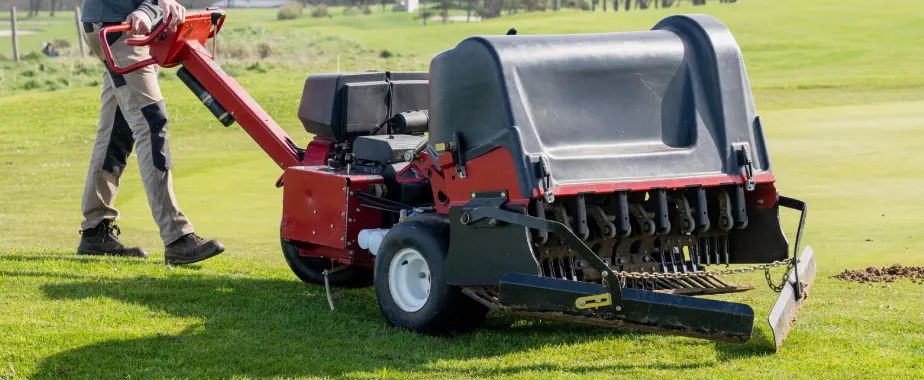
The best time for lawn aeration for Dallas lawns is late April through mid-June, once warm-season grass is fully awake and growing strong. This is when Bermuda, St. Augustine, and Zoysia can recover fast, spread better, and use water and nutrients more efficiently. Most homeowners get it wrong by aerating too early in spring, too late in summer, or during dormancy when the lawn cannot heal properly.
Why Timing Matters So Much for Dallas Lawn Aeration
Lawn aeration in Dallas, TX works best when the grass is actively growing, not when it is still waking up from winter. Warm-season turf needs enough heat, moisture, and growth activity to close the holes left by core aeration. That timing makes the difference between a lawn that recovers quickly and a lawn that stays stressed. The main goal is simple: aerate after green-up but before the brutal summer heat arrives.
For most Dallas lawns, that means:
Best window: late April through mid-June
Soil temperature goal: consistently 65 degrees or warmer
Best grass types for this timing: Bermuda, St. Augustine, and Zoysia
Ideal soil condition: slightly moist, not muddy or bone dry
Worst timing: early March, July, August, winter, or drought-stressed periods
Why Bermuda Grass Needs Late Spring Aeration in Dallas
The best time to aerate Bermuda grass in Texas is usually late spring because Bermuda grows aggressively once temperatures rise. In Dallas, Bermuda often starts to green up before it is truly ready for stress, so aerating too early can create open soil before the lawn has the strength to recover. Waiting until the turf is actively growing gives the roots a better chance to spread into loosened soil.
Late spring aeration also gives Bermuda time to thicken before peak heat. That matters because Dallas summers can be hard on shallow roots, compacted soil, and thin turf. When core aeration is done before the worst heat arrives, Bermuda can build a stronger root zone and handle summer pressure better.
Why Most North Texas Homeowners Aerate at the Wrong Time
Many homeowners ask when to aerate lawn in Texas and assume spring automatically means March. That is usually too early for Dallas lawns because warm-season grass may still be partially dormant. If the lawn is not growing fast, it cannot close aeration holes or recover from the disruption. Here are the most common timing mistakes:
Aerating too early in spring: March can feel like lawn season, but Bermuda and St. Augustine may not be ready yet. Early aeration can expose soil, invite weeds, and slow recovery.
Aerating during peak summer heat: July and August can be too stressful. Aerating during extreme heat can increase moisture loss and push already stressed turf harder.
Aerating in winter: Winter aeration does not help warm-season grass recover because the lawn is dormant. The roots are exposed, but the turf is not growing enough to repair itself.
Aerating dry, hard clay soil: Dry clay can make it difficult for the aerator to pull deep cores. Slightly moist soil allows better penetration and better results.
The Dallas Lawn Aeration Calendar Homeowners Should Follow
Dallas lawn care works better when timing follows the grass, not just the calendar. This month-by-month guide can help you plan lawn aeration service in Dallas without guessing. Use it as a simple seasonal guide before scheduling service.
Month
What To Do
Why It Matters
January
Do not aerate
Warm-season grass is dormant and cannot recover well.
February
Watch the weather, but wait
Soil is usually still too cool for proper turf recovery.
March
Avoid early aeration
The lawn may be greening up, but roots may not be active enough yet.
April
Start checking soil temperature
Late April can be the start of the ideal window if soil is warm and grass is growing.
May
Prime aeration month
Bermuda and St. Augustine are usually active, making this one of the best times to aerate.
June
Still a strong window
Early to mid-June can work well before extreme heat builds.
July
Avoid unless conditions are mild
Heat stress and moisture loss can make recovery harder.
August
Usually too hot
Summer stress can make aeration risky for weak or dry lawns.
September
Possible secondary window
This can help compacted lawns recover after summer if the weather is not too dry.
October
Use caution
Aeration may help early in the month, but timing must happen before cooler weather slows growth.
November
Do not aerate
Warm-season grass begins slowing down.
December
Do not aerate
Dormant turf will not recover properly.
How Aeration Supports Dallas Soil, Drainage, and Overseeding
Dallas lawns often struggle because heavy clay soil holds tight, compacts fast, and makes it harder for roots to get what they need. Lawn aeration can help loosen that pressure, improve water movement, and create better growing conditions. It also works well with the right follow-up services, including top dressing and seasonal overseeding.
Core Aeration Helps Heavy Clay Soil Breathe
North Texas soil is often dense and clay-heavy, which means water can run off instead of soaking in. Core aeration removes small plugs of soil to open space for air, water, and nutrients to reach the root zone. This helps compacted lawns recover, especially in areas with foot traffic, pets, irrigation runoff, or thin turf.
Top Dressing With Sand Can Improve Drainage
Aeration and top dressing with sand can work well together when Dallas lawns have compacted clay soil. Aeration opens the soil, while the right top dressing material can help improve surface leveling and water movement over time. This needs to be done with the right material, rate, and timing so the lawn gets real support instead of added stress.
Overseeding Can Help Thin Lawns Recover
Aeration and overseeding in Dallas can be helpful when the lawn has bare spots, summer damage, or thin areas. Aeration improves seed-to-soil contact, which helps seed settle into the lawn instead of sitting on hard soil. For many North Texas lawns, overseeding is often better as a fall strategy, while warm-season aeration is strongest in late spring.
Signs Your Dallas Lawn Is Ready for Aeration
A lawn does not always need aeration every year, but many Dallas lawns benefit from it every 1 to 3 years. Heavy clay soil, summer stress, and frequent use can make compaction worse over time. If your lawn shows several warning signs, aeration may be the missing step.
Look for these signs:
Water runs off instead of soaking in
Soil feels hard underfoot
Grass looks thin, patchy, or yellow
Bare areas appear in high-traffic zones
The lawn dries out quickly after watering
Fertilizer does not seem to improve growth
Puddles form after rain or irrigation
Roots seem shallow when you inspect weak turf
Our Local Approach to Healthier Dallas Lawns
Higher Ground Lawn Care and Landscape Lighting is our local source for homeowners who want healthier turf from the soil up. We offer professional core aeration for warm-season grasses like Bermuda, St. Augustine, and Zoysia, along with related lawn care services such as fertilization, weed control, top dressing, lawn pest control, lawn disease treatment, tree and shrub care, and annual lawn care programs. Our approach focuses on timing, soil health, proper recovery, and stronger roots instead of quick surface fixes.
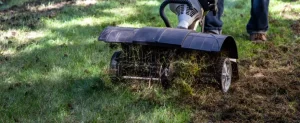
We use professional equipment to remove soil cores, relieve compaction, and help water, oxygen, and nutrients reach the root zone. We may also recommend organic fertilization, top dressing, compost tea, humates, or overseeding when the lawn needs extra support. That gives your lawn a better foundation for Dallas heat, heavy clay soil, and seasonal stress.
Schedule Lawn Aeration Service Before Dallas Heat Takes Over
The best time to aerate your Dallas lawn is after spring green-up and before peak summer heat, usually from late April through mid-June. This timing helps Bermuda, St. Augustine, and Zoysia recover faster, build deeper roots, and handle summer stress with less strain. If your lawn has hard soil, runoff, thin grass, or poor drainage,contact us today to schedule lawn aeration services and give it a stronger start before summer arrives.
Not finding exactly what you need? Contact us today for custom lawn care and outdoor solutions made just for you. We’re here to help your property thrive with service, care, and excellence.