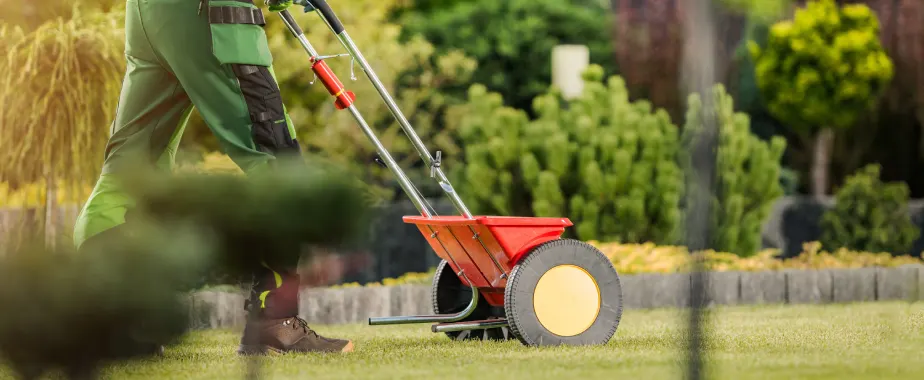
Lawn fertilization in Dallas works best when it follows the growing season. Bermuda, St. Augustine, and Zoysia need nutrients at the right time so they can green up, thicken, handle heat, and recover before dormancy. A smart Dallas lawn fertilization schedule helps your lawn get fed when it can actually use the treatment.
Why Lawn Fertilization Timing Matters in Dallas
Warm-season grasses grow hard during spring and summer, then slow down in fall. Fertilizing too early can feed weeds before your lawn is ready, while fertilizing too late can push weak growth before winter. The goal is to feed the grass during active growth, not during dormancy.
Dallas lawns also deal with heat, clay soil, weeds, pests, and seasonal stress. That is why lawn fertilization in Dallas should match the season, turf type, and actual condition of the lawn. A local plan can help prevent wasted treatments and uneven results.
Spring Fertilization: March Through May
Spring is when Dallas lawns wake up after dormancy. March can still be too early for heavy feeding if the grass has not fully greened up. April and May are usually better months for active growth support.
Spring priorities include:
Waiting for full green-up before heavy feeding
Applying pre-emergent weed control early
Watching for thin or weak turf areas
Checking for early signs of pests or disease
Summer Fertilization: June Through August
Summer fertilizer should support color and recovery without forcing aggressive growth. Dallas heat can stress lawns quickly, especially when pests, disease, or dry conditions are present. Stressed lawns should be corrected before more fertilizer is applied.
Common summer stress signs include:
Grass blades folding or curling
Dry patches near sidewalks or driveways
Brown spots that spread quickly
Increased weed or insect activity
Fall Fertilization: September Through October
Fall feeding helps Dallas lawns recover after summer. September can support stronger roots and better density before dormancy. October feeding depends on whether the grass is still actively growing.
Fall lawn care tasks may include:
Repairing thin or damaged turf areas
Monitoring for fall weeds
Checking for lingering pest activity
Preparing the lawn for winter dormancy
Winter Fertilization: November Through February
Winter is not the season for heavy lawn fertilization in Dallas. Bermuda, St. Augustine, and Zoysia are usually dormant or growing very slowly. This time is better for planning and preparing the lawn for spring.
Winter is also a good time to:
Schedule soil testing if problems continue
Plan aeration or top dressing
Review shaded turf areas before spring
Watch for winter weed pressure
Fertilizer Needs by Grass Type
Bermuda, St. Augustine, and Zoysia all need different feeding levels. Bermuda can usually handle more active-season fertilization, while St. Augustine and Zoysia often need a more careful approach. Matching the plan to the grass type helps prevent overfeeding and weak growth.
Bermuda Grass
Bermuda grass loves sun, heat, and regular feeding during active growth. It usually needs spring feeding after green-up, steady summer nutrition, and light fall support before dormancy.
St. Augustine Grass
St. Augustine grass can look thick and green with the right feeding. Too much fertilizer may cause soft growth, disease pressure, or stress in shaded areas.
Zoysia Grass
Zoysia grows dense but slower than Bermuda. It usually does best with moderate feeding, proper seasonal timing, and careful thatch management.
Signs Your Dallas Lawn May Need Fertilization
A weak-looking lawn may need nutrients, but fertilizer is not always the only answer. Dry conditions, compacted soil, insects, disease, and shade can cause similar symptoms. A lawn inspection can help identify the real issue before treatment.
Your lawn may need a better fertilization plan if you notice:
Pale green or yellowing grass
Thin or patchy turf
Slow growth during the active season
Weak spring green-up
Poor recovery after heat stress
Weeds filling open areas
Uneven color across the lawn
Why Professional Lawn Fertilization Is Worth It
Professional lawn fertilization helps homeowners avoid timing mistakes, overfeeding, and product mismatches. A lawn fertilizer service in Dallas can adjust treatments based on weather, turf type, weeds, pests, and soil conditions. That makes each application more useful.
Fertilization also works better when it supports the full lawn health plan. Weed control, pest control, disease monitoring, aeration, and soil care can all affect results. When those pieces work together, the lawn has a better chance to stay thick, green, and resilient.
Our Local Approach to Lawn Fertilization in Dallas
At Higher Ground Lawn Care & Lighting, we help Dallas homeowners care for Bermuda, St. Augustine, and Zoysia lawns with practical seasonal timing. We understand how North Texas heat, clay soil, weeds, and lawn stress affect fertilization results. Our goal is to support healthier turf with a plan that fits the property.
We also provide related lawn services that can support better fertilization results, including weed control, lawn disease treatment, lawn pest control, aeration, top dressing, tree and shrub care, and annual lawn care programs. That helps us treat the lawn as a full system instead of only applying fertilizer.
Feed Your Dallas Lawn at the Right Time
A strong Dallas lawn needs the right fertilizer at the right time. The best schedule starts after spring green-up, continues through active growth, and slows before winter dormancy. This gives Bermuda, St. Augustine, and Zoysia lawns better support through each season.
If your lawn looks thin, pale, stressed, or uneven, Higher Ground Lawn Care & Lighting can help you build a better seasonal plan. Contact us today to schedule lawn fertilization services in Dallas and help your grass grow stronger, greener, and healthier.
Not finding exactly what you need? Contact us today for custom lawn care and outdoor solutions made just for you. We’re here to help your property thrive with service, care, and excellence.