Living in Texas means dealing with scorching summers, unpredictable weather, and grass that can go from green to brown faster than you can say “drought.” Trust me, I’ve been there – staring at my lawn in July, wondering if I should water it more or just accept defeat.
After years of trial and error (and plenty of brown patches), I’ve learned that successful Texas lawn care is all about timing. Your grass doesn’t care about your schedule – it operates on Mother Nature’s clock. The good news? Once you understand what your lawn needs each month, maintaining that green oasis becomes much easier.
Let’s walk through the year together, month by month, so you can stay ahead of your lawn’s needs instead of constantly playing catch-up.
January: Rest and Plan
Your lawn is sleeping, and honestly, you should let it rest. Warm-season grasses like Bermuda, Zoysia, and St. Augustine go dormant in winter, turning that familiar brown color that makes every Texas homeowner slightly nervous.
What to do:
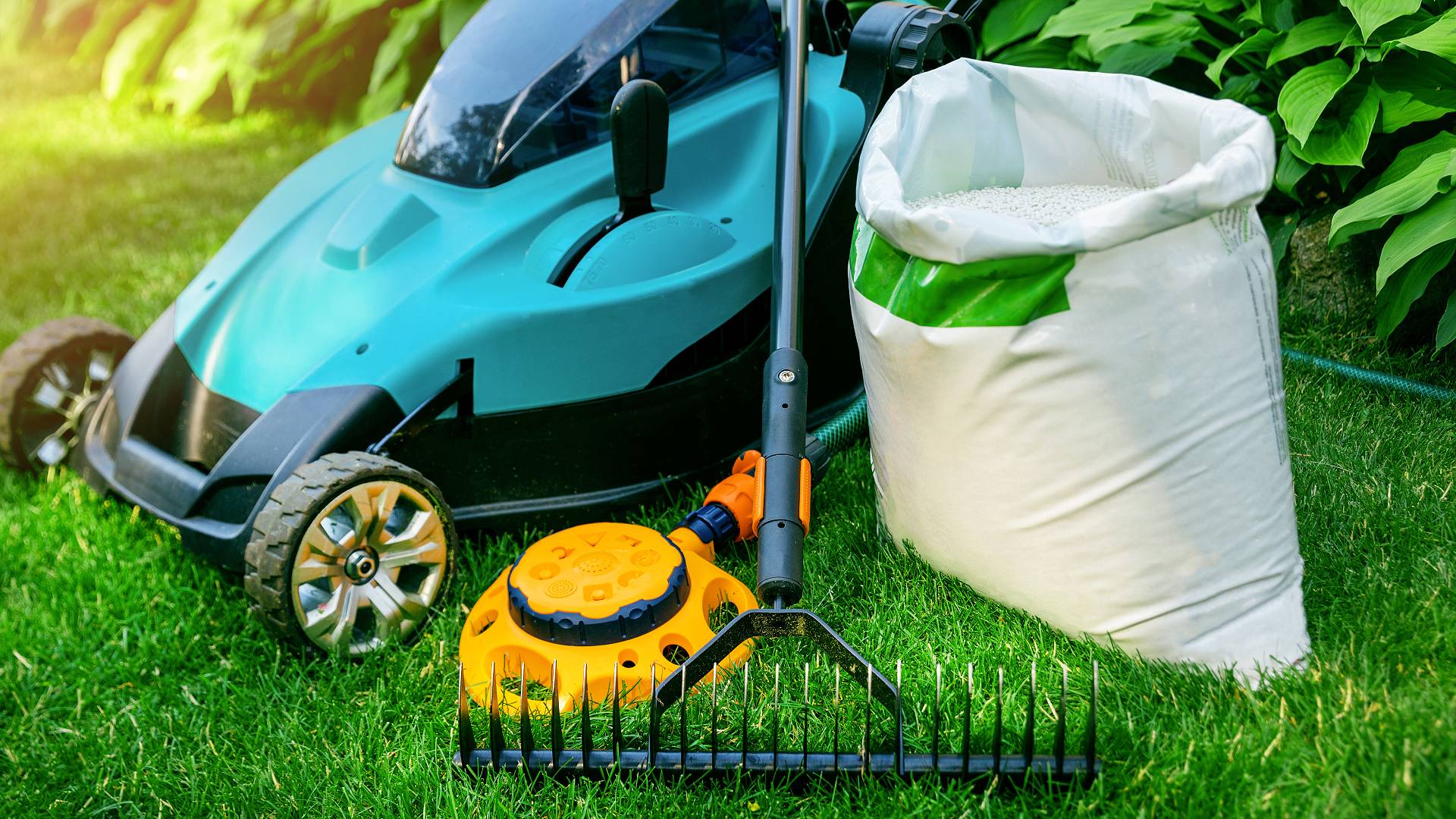
- Service your mower and lawn equipment
- Plan your fertilization schedule for the year
- Remove any debris from fall and winter storms
- Avoid walking on frozen grass (yes, it happens in Texas!)
- Check your irrigation system for freeze damage
Pro tip: This is the perfect time to research and purchase quality fertilizer and grass seed. Prices are often lower in winter, and you’ll be ready when spring arrives.
February: Wake-Up Prep
February is your preparation month. Your grass is still dormant, but you can start getting everything ready for the growing season.
Key tasks:
- Test your soil pH (ideal range: 6.0-7.0)
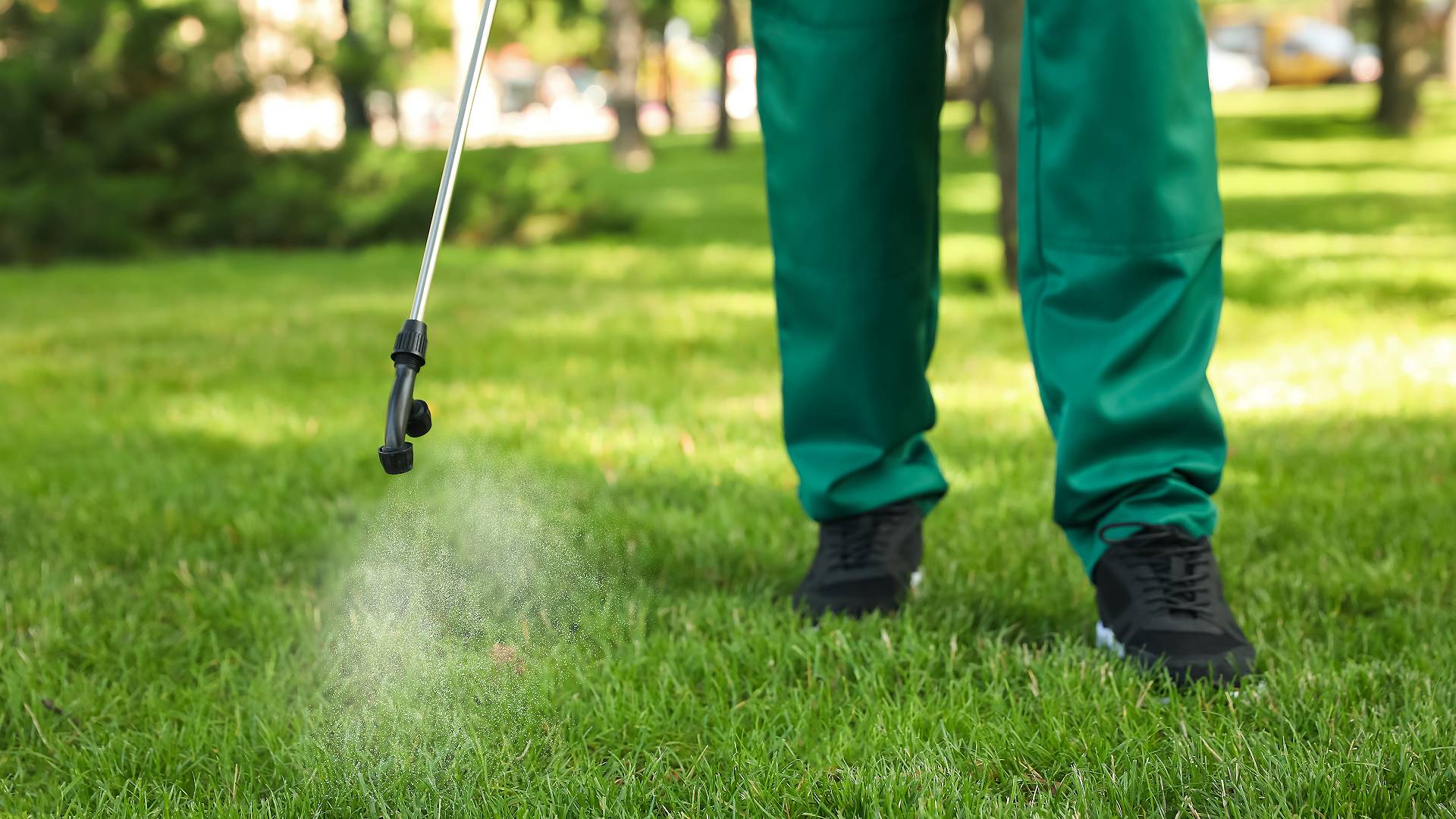
- Apply pre-emergent herbicide to prevent spring weeds
- Light cleanup of any remaining winter debris
- Plan irrigation system maintenance
When should I fertilize my lawn in Texas? Not yet! Hold off on fertilization until soil temperatures consistently reach 65°F, usually in March.
March: The Awakening
This is when things get exciting. Soil temperatures start warming up, and your grass begins to stir from its winter sleep.
March priorities:
- Apply the first fertilizer application when the soil hits 65°F consistently
- Begin weekly mowing as growth starts
- Second application of pre-emergent if needed
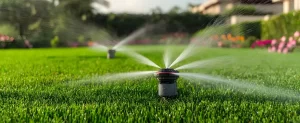
- Start a regular watering schedule (about 1 inch per week)
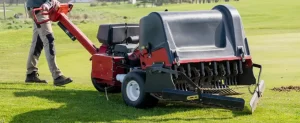
- Core aeration for compacted areas
Watch for: The first signs of green growth. This tells you your grass is ready for active care.
April: Growth Mode Activated
Your lawn is officially awake and hungry. April is when warm-season grasses start their serious growing phase.
Essential April tasks:
- Continue weekly mowing (never remove more than 1/3 of the blade height)
- Monitor for early spring weeds and spot-treat as needed
- Adjust irrigation based on rainfall
- Apply the second fertilizer application if using slow-release products
Mowing tip: Set your mower height higher than you think you need. Taller grass develops deeper roots and handles heat better.
May: Peak Growing Season Begins
May marks the beginning of the most active growing period for Texas lawns. Your grass is hitting its stride, but so are the weeds.
May must-dos:
- Increase mowing frequency to every 5-7 days
- Apply post-emergent herbicides for visible weeds
- Deep watering 2-3 times per week
- Watch for early pest activity
- Consider overseeding thin areas
What is the best month to start lawn care in Texas? While maintenance is year-round, May is when most homeowners see the biggest impact from their efforts.
June: Summer Prep
June is your last chance to get everything right before the brutal Texas summer heat arrives.
June priorities:
- Raise mower height to 3-4 inches for heat protection
- Deep, infrequent watering (early morning is best)
- Apply summer fertilizer if needed
- Monitor for chinch bugs and other pests
- Ensure the irrigation system is working efficiently
Heat stress prevention: Taller grass creates shade for roots and retains moisture better during hot spells.
July: Survival Mode
July in Texas is all about helping your lawn survive the heat. This isn’t the time for major changes – it’s about maintenance and stress reduction.
July focus areas:
- Water deeply 2-3 times per week (early morning only)
- Raise the cutting height even more if needed
- Avoid fertilizing during extreme heat
- Watch for drought stress signs
- Hand-water problem areas
How often should you water your lawn in Texas summer? During peak summer, water 2-3 times per week with deep soaking rather than daily light watering.
August: Heat Endurance
August is typically the hottest month in Texas. Your lawn is in full survival mode, and your job is to support it through the stress.
August essentials:
- Continue deep, infrequent watering
- Mow high and only when necessary
- Monitor for heat stress and disease
- Plan fall renovation projects
- Avoid heavy foot traffic in stressed areas
Drought tip: If water restrictions are in place, focus on keeping roots alive rather than maintaining perfect green color.
September: Recovery Planning
September brings hope – temperatures start dropping slightly, and you can begin planning your lawn’s recovery from summer stress.
September strategies:
- Apply fall fertilizer (potassium-rich for winter hardiness)
- Begin overseeding thin or damaged areas
- Resume normal mowing schedule
- Apply pre-emergent for winter weeds
- Increase watering slightly as temperatures drop
Recovery focus: September fertilization helps your lawn recover from summer stress and prepares it for winter.
October: Renovation Time
October is perfect for major lawn improvements. Temperatures are cooling, but grass is still actively growing.
October opportunities:
- Heavy overseeding and sodding projects
- Final fertilizer application of the year
- Leaf removal (don’t let them smother your grass)
- Irrigation system winterization prep
- Weed control for winter annuals
Project timing: October gives you the best chance for successful lawn renovations before winter dormancy.
November: Winter Prep
November is about preparing your lawn for its winter rest. Think of it as tucking your grass in for a long nap.
November necessities:
- Final mowing of the season (cut slightly shorter)
- Complete leaf removal
- Winterize irrigation systems
- Apply winter fertilizer if not done in October
- Final weed treatment
Winter prep tip: Don’t cut your grass too short – leave about 2 inches for winter protection.
December: Rest and Reflect
Your lawn is entering dormancy, turning brown and slowing growth dramatically. This is normal and healthy for warm-season grasses.
December duties:
- Minimal maintenance only
- Equipment maintenance and storage
- Plan improvements for next year
- Monitor for winter damage
- Protect from excessive foot traffic
Planning ahead: Use December’s downtime to evaluate what worked this year and plan improvements for next spring.
Dealing with Texas Drought Periods
Texas droughts are unpredictable but inevitable. Here’s how to prepare:
Drought strategies:
- Choose drought-tolerant grass varieties
- Maintain proper mowing height year-round
- Deep, infrequent watering builds drought resistance
- Mulch around trees to reduce competition
- Accept some dormancy during severe drought
Water-wise tip: A slightly brown lawn that survives is better than a dead lawn that you tried to keep green.
Fertilization Timeline Summary
Spring: March-April (nitrogen-rich for growth)
Summer: June (balanced fertilizer, if needed)
Fall: September-October (potassium-rich for winter prep)
Fertilizer wisdom: Less is often more in Texas. Over-fertilizing creates weak, water-dependent grass.
Your Monthly Lawn Care Success Plan
Success comes from consistency, not perfection. Some months will be harder than others – July and August test every Texas homeowner’s patience. But stick to the plan, adjust for weather conditions, and remember that even the best lawns have rough patches.
The key is working with your grass’s natural cycles instead of against them. Spring and fall are your power seasons for major improvements. Summer is about survival and maintenance. Winter is for rest and planning.
Ready to Transform Your Texas Lawn? Let’s Start Today
While this timeline gives you the roadmap, the real magic happens when you have experts who understand your specific challenges and can execute this plan perfectly. You could spend your weekends wrestling with fertilizer spreaders and stressing about watering schedules, or you could enjoy your beautiful lawn while we handle the hard work.
At Higher Ground Lawn Care & Lighting, we’ve mastered Texas lawn care and follow this exact timeline, customized for your specific conditions. Ready to get started? Call us today: (214) 531-3369 – your perfect lawn is just a phone call away!