The best time for fall overseeding and aeration in Dallas is mid-September through October for cool-season grasses when soil temperatures are between 50°F and 65°F. For warm-season lawns like Bermuda, Zoysia, and St. Augustine, aerate in late spring to early summer when the grass is actively growing, and only overseed with annual rye in late fall (near 60°F) if you want winter color. Use a core aerator with passes 2-4 inches apart, spread seed evenly, and water lightly 2-3 times daily until germination.
Why Fall Overseeding & Aeration Matter in Dallas
Fall aeration and overseeding are more than chores. In Dallas’s hot summers and mild winters, they:
Reduce soil compaction so roots can grow deeper
Improve water, oxygen, and nutrient flow
Help fill thin or bare patches before winter
Strengthen turf resilience and spring recovery
When you time it right, your lawn can gain a head start before winter.
Timing: When to Aerate and Overseed for Dallas Lawns
Your schedule depends on your grass type and goals.
Cool‑Season Grasses (Tall fescue)
Best window: mid‑September to mid‑October
Target soil temperature: 50 °F to 65 °F
Why this window?: It gives seed time to germinate and mature before the cold sets in.
Warm‑Season Grasses (Bermudagrass, Zoysia, St. Augustine)
Aeration: late spring to early summer, when the lawn is actively growing
Overseeding with annual rye: late fall, once soil cools near 60 °F
Overseeding warm-season lawns is typically done only for winter color, not for permanent turf conversion
In short, for cool‑season lawns in Dallas, fall is the prime time. For warm‑season lawns, aerate in spring, and consider overseeding only later in fall (for winter color).
Techniques & Best Practices for Aeration and Overseeding
Follow these steps for strong results:
1. Inspect & Prepare the Soil
Aim for moist but not soggy soil
Test for compaction or thatch greater than ½ inch
Mow a bit shorter than usual (but avoid scalping)
Rake or dethatch lightly so seed contacts soil
2. Choose the Right Equipment
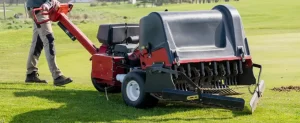
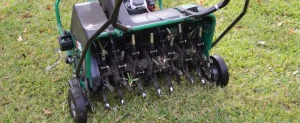
Use a core (plug) aerator (not spike) It removes soil plugs, letting roots access oxygen
Space the passes about 2–4 inches apart
3. Apply Seed & Amendments
Use high‑quality seed suited to your grass mix and Dallas climate
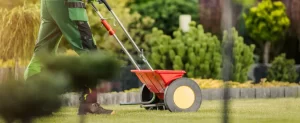
Spread evenly with a broadcast or drop spreader
Optionally, topdress lightly (compost/soil mix) into aeration holes
Add a starter fertilizer (low phosphorus), assuming your soil test supports it
4. Watering & Care After Seeding
Keep the surface moist. Water lightly 2–3 times per day until germination
Once established, shift to deeper, less frequent watering
Mow when new grass reaches ~ 3 inches; never cut below 2–2½ inches
Avoid heavy foot traffic until the grass is well rooted
For more information check our watering program guide with valuable tips and recommendations.
5. Avoid Common Mistakes
Do not aerate when soil is overly dry or waterlogged
Do not overseed too late. Seeds need several weeks before cold
Do not skip soil prep. Seed won’t thrive if it sits above thatch or compaction
We choose timing based on your specific grass type, soil temperature, and weather
We use professional core aeration equipment to prevent compaction
We match seed blends to Dallas climate and your existing turf
We handle post-seeding care: watering, mowing guidance, and fertilization
We manage the full process so you don’t have to worry
Ready to Start?
If you’d rather skip the guesswork, schedule your fall aeration & overseeding now through our aeration service page. Or call (214) 531-3369 for a lawn evaluation and custom plan. Let us take care of the timing and heavy lifting — you’ll enjoy a thicker, healthier lawn with less stress.
Not finding exactly what you need? Contact us today for custom lawn care and outdoor solutions made just for you. We’re here to help your property thrive with service, care, and excellence.