Dethatching may sound like something every lawn needs, but that is not always true for warm-season lawns in North Texas. Many healthy St. Augustinegrass, common Bermudagrass, and Zoysiagrass lawns do not benefit from aggressive annual dethatching. In some cases, it can thin the turf, expose soil, and create more stress. A better approach is to understand the thatch layer first and choose core aeration when clay soil is the bigger issue.
What Is Thatch?
Thatch is the layer of organic material that sits between the green grass blades and the soil surface. It can include stems, roots, runners, crowns, and other plant material that has not fully broken down yet. A small amount of thatch is normal. In many lawns, it is not a problem at all.
Thatch becomes an issue when it gets too thick and starts to:
- Block water from reaching the soil
- Limit airflow around the root zone
- Keep nutrients near the surface
- Create shallow roots
- Make the lawn feel spongy
- Increase stress during heat or drought
Here is the important part: not every organic layer is “bad thatch.” A thin, healthy layer can help with moisture retention, nutrient cycling, soil protection, and microbial activity. The goal is not to strip the lawn bare. The goal is to know when buildup is actually excessive.
Why Dethatching Is More Common in Northern Lawns
Dethatching gets talked about more in northern states because those lawns grow under very different conditions. Cool-season grasses deal with colder soil, shorter growing seasons, and longer stretches of dormancy. Since the soil stays cooler for much of the year, the natural breakdown of grass stems, roots, and other organic material tends to happen more slowly.
That slower breakdown can allow thatch to build up over time, especially when the lawn is not getting enough airflow, soil activity, or proper maintenance. In those areas, dethatching can be a more common part of lawn care because the grass and soil do not recycle organic material as quickly.
North Texas lawns usually work differently. Warm-season grasses grow through a longer season, and the warmer soil helps support more active microbial life. When the lawn is cared for properly, that organic material often breaks down at a healthier pace, which is why aggressive yearly dethatching is not always needed here.
Why Core Aeration Is Often the Better Choice
Core aeration is usually a better fit for North Texas lawns because it addresses one of our biggest lawn problems: compacted clay soil. Many Dallas-area lawns deal with heavy clay that becomes dense over time. When soil compacts, water, oxygen, and nutrients have a harder time reaching the root zone.
Core aeration helps by:
- Removing small plugs of soil from the lawn
- Opening compacted clay soil
- Improving airflow near the roots
- Helping water move deeper
- Giving roots more room to grow
- Moving organic material into the soil
- Supporting stronger turf recovery
For warm-season lawns, this is often more useful than dethatching. Aeration supports the root system without tearing through the lawn’s runners and growing points. Dethatching works on the surface. Core aeration improves the soil beneath the grass, which is where long-term lawn health actually starts.
Why Aggressive Dethatching Can Damage Warm-Season Turf
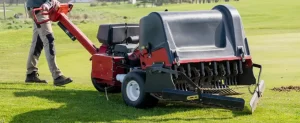
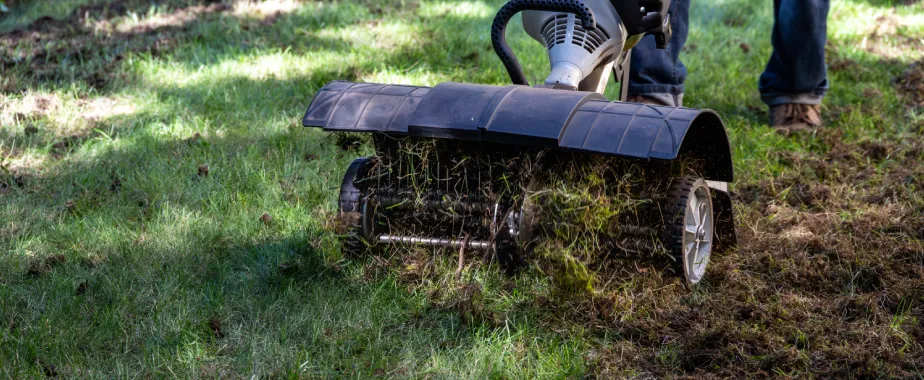
Dethatching is not a gentle process. It uses equipment that pulls, cuts, or rakes through the turf layer. On certain lawns, especially when thatch is truly excessive, this can be helpful. On many North Texas residential lawns, it can be too harsh. The biggest risks include:
- Torn runners and stolons
- Thinned turf density
- Exposed soil
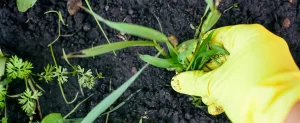
- Increased weed pressure
- More heat stress
- Slower recovery after service
- Removal of useful organic material
Why Grass Type Matters Before Dethatching
St. Augustinegrass is the main concern because it spreads by above-ground runners called stolons. Aggressive dethatching can tear those runners, thin the lawn, and leave weak areas behind.
Common Bermudagrass can handle more mechanical stress than St. Augustinegrass, but that does not mean it needs dethatching every year. If the turf is not overloaded with thatch, aggressive removal may disturb healthy growth for no real gain.
When Dethatching May Actually Make Sense
There are exceptions. Some dense Zoysiagrass lawns and highly managed hybrid Bermuda lawns can develop heavier thatch over time. This is more common when turf is:
- Heavily fertilized
- Watered very often
- Mowed very low
- Managed for a dense, manicured appearance
- Growing faster than organic material can break down
Dethatching or vertical mowing may be considered when the thatch layer becomes thick enough to interfere with the lawn’s health.
Possible signs of excessive thatch include:
- A spongy feel underfoot
- Water running off instead of soaking in
- Shallow root growth
- Recurring dry spots
- Fertilizer seeming less effective
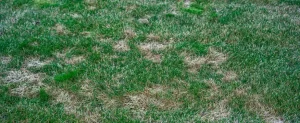
- Turf that looks dense on top but weak near the soil
Even then, dethatching should not be a guess. The lawn should be inspected first. Grass type, thatch depth, soil condition, season, and overall turf health all matter before choosing a corrective service.
A Healthier Lawn Care Strategy for North Texas
For most North Texas homeowners, the better long-term plan is not aggressive annual dethatching. It is consistent lawn care that keeps the soil active, the roots strong, and the turf growing at a balanced pace. A healthier lawn care strategy usually includes:
- Proper mowing height for the grass type
- Smart watering based on weather and soil conditions
- Organic fertilization or organic-based lawn treatments
- Weed control at the right times of year
- Core aeration for compacted soil
- Lawn disease and pest monitoring
- Soil health support through steady seasonal care
This kind of program helps the lawn manage organic material naturally. It also reduces the need for harsh corrective services because the lawn is not being pushed into weak or stressed growth patterns.
The goal is simple: support the lawn before it becomes stressed, compacted, thin, or overloaded with surface buildup.
How Higher Ground Looks at Dethatching and Lawn Health
At Higher Ground Lawn Care and Landscape Lighting, we do not recommend dethatching as a routine service for every lawn. We look at the lawn first to see if thatch is truly the problem. In many North Texas yards, compacted clay soil or weak roots are the bigger concern. Our goal is to choose the service that best supports long-term turf health.
- Check the grass type
- Review soil and root health
- Watch for heavy thatch buildup
- Use core aeration when soil is compacted
- Protect St. Augustine from aggressive dethatching
- Recommend only what the lawn actually needs
Dethatching Is Not Always the Answer
Dethatching has its place, but it is not something every North Texas lawn needs each year. For many warm-season lawns, especially those with healthy soil biology and regular core aeration, aggressive dethatching may create more stress than benefit.
A strong lawn starts below the surface. When the soil is open, active, and properly cared for, warm-season grass can grow thicker, recover better, and naturally recycle organic material more effectively. The best lawn care plan is not the harshest one. It is the one that supports the lawn in the way it actually needs. Contact us and let us help you with a proper solution.