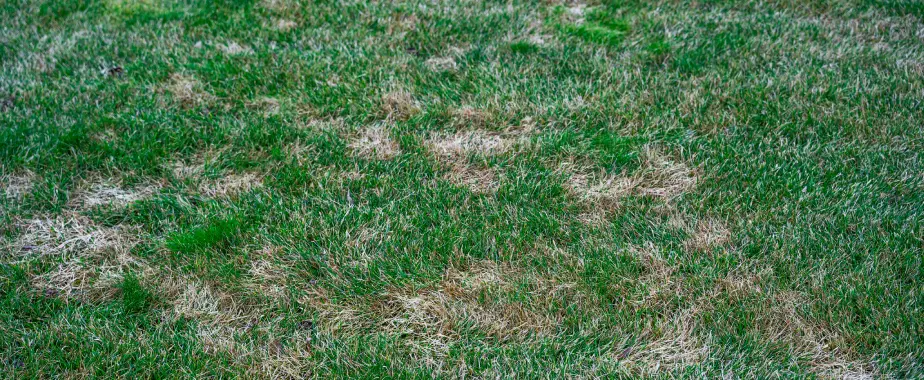
Have some funny-looking patches on your lawn? You’re likely dealing with invasive grasses. These monsters grow fast, spread rapidly and crowd out your regular turf. The good news? But if you can identify what to look for, whether it’s leaf shape, growth style or peculiar seedheads, then you can fight back with the appropriate tool. Timing matters too. Some are more effective applied before you even have any weeds, while others are better for a spot treatment once your lawn has gotten out of control.
What Weeds Are Most Often Found in Texas Lawns?
Here’s a look at the usual suspects in North Texas and how you can recognize them:
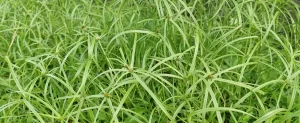
Kikuyu grass
- Grows super fast with runners above and below the soil
- Leaves are thin, slightly hairy and also flat.
- It’s rapid spreading and can choke out your good turf
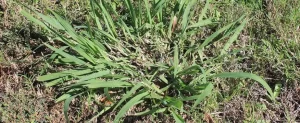
Dallisgrass
- Develops as dense bunches of wide, rough blades
- Spike seedheads from late spring through fall
- Returns year after year because of sturdy roots
Crabgrass (annual)
- Pops up from seed and forms low, spreading mats
- It has fingerlike leaves and it loves the heat
Goosegrass
- Usually grows where the soil is packed tight
- Wider leaves, sometimes with a bluish tint
- Grows in a starburst shape from a single center
Bermudagrass (and other runners)
- Super aggressive and spreads fast
- May sneak into a flower bed or an area you didn’t intend
When and How to Halt the Invasion of Grasses
How about stopping these guys from winning? Here’s where and how to find them:
Use pre-emergent herbicides
- Apply in the early spring before the warm of soil
- Seek out things with prodiamine or dithiopyr
- For tough customers, such as dallisgrass, hit it again in the fall
Read the label — every time
- Just be sure it’s safe for your type of turf (St. Augustine; bermuda).
- Find out whether it only kills select weeds or everything it contacts
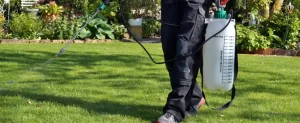
Be smart with spot treatments
- Only apply non-selective products such as glyphosate to small, isolated populations
- But make sure it’s precise so that you don’t damage your good grass
Watch the calendar
- The best times for long-term invaders such as dallisgrass are fall and spring.
- Pre-emergents are only useful if they’re applied before the seeds germinate
Comparing Selective and Non-Selective Control
There’s no one-size-fits-all approach. Here’s what works:
Selective herbicides
- Target those bad grasses, without wrecking your yard
- Best if you’re fighting something like dallisgrass in a warm-season lawn
Non-selective herbicides
- Wipe out anything green: use carefully and only on small spots
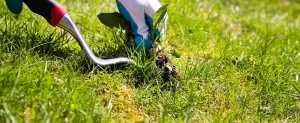
Manual pulling
- If the patch is relatively small and the soil is still moist, then pulling it up with your hands will do just fine.
- But be sure you have the whole root or it will grow back.
What Our Experts Can Do For Your Lawn
Here at Higher Ground Lawn Care and Landscape Lighting we understand the headache of invasive grasses in North Texas. We’ve heard it all and we’re here to help you regain order without the mess of making things messy. Here is what we can do for you:
- Help you figure out exactly which grass is taking over
- Suggest what is good for your lawn type and situation
- Time everything to coincide with Texas weather and the natural course of plant growth
- Keep you in the loop with honest advice and follow-up when needed
Watch for These Common Challenges
- Dallisgrass almost always takes repeated treatments
- The incorrect one can cause more harm than good
- Non-selective sprays are good strong stuff – only use where you actually need them
- The earlier you find an issue, the easier it is to resolve.
Step-by-Step: How to Take Action
Here’s a simple plan to help you take back your lawn:
- Walk the yard and see if anything unusual or growing quickly stands out.
- Note how large each of them are and whether they spread or “seed.”
- Match treatment to your lawn type. Go selective if you can
- Strike pre-emergents in the early spring and perhaps again in fall
- Hand-pull plugs in the soil, when it is soft.
- Watch for regrowth and hit it again if necessary
You can also check our lawn care programs to get a better idea of how we can improve your yard.
Pro Tips to Avoid New Infestations
- Trim lawn edges so fast growers don’t creep in
- Clean tools so you don’t accidentally spread seeds
- Slower growth may mean less irrigation, especially in shady or otherwise compacted areas.
- Promote dense turf so there is no space for invaders to take control
Wrap-Up: You Can Take Back Your Lawn
Invasive grasses don’t have to be a losing battle. Once you know what to look for and how to behave, you’re in command. Whether it’s a square metre of crabgrass or a solid cluster of kikuyu, the swift will make you victorious. Higher Ground Lawn Care and Landscape Lighting is here to assist you with clear solutions and real help. Contact us and get started with a real plan that works for your lawn in North Texas.