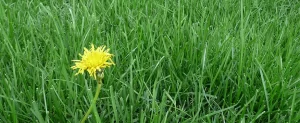
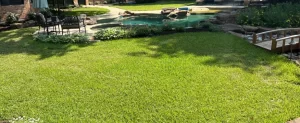
Weed control in Dallas works best when treatments follow soil temperature, not just the calendar. For most Dallas and DFW lawns, that means applying spring pre-emergent in mid-February through early March, adding a second spring barrier 6 to 8 weeks later, and applying fall pre-emergent from early September through October 1. This month-by-month guide explains when to prevent weeds, when to treat visible weeds, and how to manage tough North Texas weeds like nutsedge, dallisgrass, and sandbur.
Why Dallas Weed Control Depends on Soil Temperature
Dallas weed control needs good timing because North Texas weather can shift fast from mild winter days to warm spring conditions. Pre-emergent works before weeds sprout, so it must be in the soil before weed seeds start growing. That is why pre-emergent timing in Dallas should follow soil temperature first, then the month on the calendar.
For spring weeds like crabgrass and grassburs, the main target is soil temperatures near 50 to 55 degrees. For fall and winter weeds like Poa annua, henbit, and chickweed, the target is soil temperatures dropping toward 70 degrees. Once weeds are already growing, post-emergent treatments become the better option.
February to March: Apply Spring Pre-Emergent Before Crabgrass Starts
February is one of the most important months for weed control in Dallas because crabgrass can start early in warm North Texas winters. The ideal window is often mid-February through March 1, before soil temperatures reach 50 to 55 degrees for several days. This first application helps stop crabgrass, grassburs, and other summer annual weeds before they break through.
A strong spring pre-emergent plan should include:
Applying before weeds germinate
Watering the product into the soil after application
Avoiding heavy soil disturbance after treatment
Skipping pre-emergent if you plan to seed the lawn
Matching the product to Bermuda, St. Augustine, or Zoysia grass
This timing is especially important for Bermuda lawn weed control in Dallas because Bermuda can look thin during late winter dormancy. Weeds often take advantage of open soil before the grass fully wakes up. A well-timed barrier gives the turf a cleaner start before spring growth begins.
April to May: Add a Second Application and Treat Spring Weeds
A second spring pre-emergent application is often helpful in Dallas because one treatment may not carry the lawn through the full growing season. This split application is usually done 6 to 8 weeks after the first round, often from mid-April through early May. It helps extend protection against late-germinating crabgrass, grassburs, and other summer weeds.
This is also when post-emergent weed control becomes important. Broadleaf weeds that already showed up will not be stopped by pre-emergent, so they need a different treatment. The goal is to remove visible weeds while protecting the grass as it starts active growth. Common spring weeds in Dallas lawns include:
Clover
Dandelion
Spurge
Chickweed
Henbit
Early crabgrass
Grassbur seedlings
June to August: Control Summer Weeds Without Stressing the Lawn
Summer weed control in Dallas needs a careful approach because heat can make turf more sensitive. Bermuda, St. Augustine, and Zoysia can handle North Texas summers, but poor watering, compacted soil, and aggressive treatments can still cause stress. During this season, the focus should be targeted weed control, not blanket guessing.
The toughest summer weeds are often the ones homeowners notice after mowing or watering. Nutsedge can grow faster than the grass and stand taller within days. Dallisgrass, sandbur, and other grassy weeds can spread quickly if they are not treated before they produce seed. Watch closely for these summer problem weeds:
Nutsedge
Dallisgrass
Sandbur
Spurge
Crabgrass
Goosegrass
September to October: Apply Fall Pre-Emergent for Winter Weeds
Fall pre-emergent is just as important as spring pre-emergent in Dallas. The best window is usually early September through October 1, before soil temperatures drop below 70 degrees. This timing helps prevent winter annual weeds from germinating and taking over while warm-season turf slows down.
Fall weed prevention targets weeds that many homeowners do not notice until late winter or early spring. By then, the weeds are already established and harder to control. A fall barrier helps reduce Poa annua, henbit, chickweed, lawn burweed, and other cool-season weeds before they become a bigger problem. Fall pre-emergent helps prevent:
Poa annua
Henbit
Chickweed
Lawn burweed
Rescuegrass
Annual bluegrass
Cool-season broadleaf weeds
November to January: Spot-Treat Winter Weeds and Plan Ahead
Winter is not the main growing season for Bermuda, St. Augustine, or Zoysia lawns, but weeds can still show up across Dallas properties. If fall pre-emergent was missed or applied too late, winter weeds may begin spreading through thin turf. This is the time to spot-treat visible weeds and prepare for the spring pre-emergent window.
A winter lawn check should focus on the areas where weeds usually return first. These often include bare spots, sidewalk edges, shaded areas, compacted soil, and places with poor drainage. Fixing those weak areas can make the next round of lawn weed control in North Texas more effective.
Common Dallas Weeds That Need Special Attention
Some weeds need more than a basic pre-emergent schedule because they behave differently from simple annual weeds. Dallas lawns often deal with hard-to-control weeds because of clay soil, heat, irrigation patterns, and thin turf areas. These weeds need correct identification before treatment starts.
Nutsedge
Nutsedge is not a true grass, so standard grassy weed treatments may not work well. It often shows up in damp, compacted, or poorly drained areas and grows faster than the surrounding lawn. Pulling it by hand can make the problem worse if underground nutlets are left behind.
Dallisgrass
Dallisgrass forms rough clumps that stand out in Bermuda and St. Augustine lawns. It often spreads in weak turf, bare areas, and places with poor mowing or watering habits. Severe cases usually need a targeted summer grassy weed treatment.
Sandbur
Sandbur is a major problem because the seedheads are sharp and spread easily. It often appears in thin, dry, or stressed lawns where turf coverage is weak. Preventing seed production is one of the most important parts of long-term control.
How to Make Pre-Emergent Work Better in Dallas Lawns
Pre-emergent only works well when it is applied correctly. It creates a barrier near the soil surface, and that barrier needs water to activate. If the product sits dry on the lawn or gets applied too late, results can drop quickly.
Follow these practical tips:
Apply before weed seeds germinate.
Check soil temperature instead of guessing by the date.
Water the treatment in with about 0.5 inches of water.
Do not aerate right after applying pre-emergent.
Avoid seeding right after treatment.
Keep mowing at the right height for your grass type.
Fill thin spots so weeds have less room to grow.
Your Local Source for Weed Control in Dallas
Higher Ground Lawn Care and Landscape Lighting is our local source for weed control in Dallas, and we understand how North Texas lawns respond to heat, clay soil, and fast seasonal changes. We offer a 6-step organic hybrid lawn care fertilization and weed control program, along with pre-emergent and post-emergent weed control treatments. We also provide specialized weed control for nutsedge and severe summer grassy weeds like dallisgrass and KR bluestem.
Our goal is to help your lawn become healthier, thicker, and easier to manage through every season. We do not just treat weeds after they show up. We build a plan around prevention, proper timing, lawn health, and the specific weed pressure your property is facing.
Get Weed Control in Dallas Before the Next Weed Season Starts
The best weed control service in Dallas starts with the right timing. A smart 2026 plan should include spring pre-emergent, summer spot treatments, and fall weed prevention. Contact us today to schedule weed control services and get your lawn ready for the next season.
Not finding exactly what you need? Contact us today for custom lawn care and outdoor solutions made just for you. We’re here to help your property thrive with service, care, and excellence.