Texas homeowners know the struggle all too well – staring out at a brown, brittle lawn after months of scorching heat and little to no rainfall. The Lone Star State’s notorious dry spells can turn even the most beautiful yards into what looks like a barren wasteland. But here’s the good news: most lawns that appear dead after drought conditions are actually just dormant and waiting for the right care to bounce back. This guide will walk you through proven techniques to assess your lawn’s condition, implement effective recovery strategies, and prepare your grass for future dry periods so you can enjoy a lush, green yard year-round.
Table of Contents
Proven Recovery Techniques to Bring Your Lawn Back to Life
Reviving a drought-stressed lawn requires a strategic approach that addresses both immediate needs and long-term health. The key is understanding that recovery doesn’t happen overnight – it’s a gradual process that demands patience and consistent care. Whether your grass is completely brown or showing patchy areas of damage, the right combination of watering, soil treatment, and maintenance can work wonders.
Deep Watering Schedule
The foundation of lawn recovery starts with establishing a proper watering routine that penetrates deep into the soil. Instead of frequent, shallow watering sessions that only wet the surface, focus on longer, less frequent watering periods that encourage roots to grow deeper.
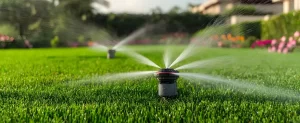
Water early in the morning, between 6-10 AM, to minimize evaporation and give your grass the entire day to absorb moisture. Aim for about 1-1.5 inches of water per week, including any natural rainfall, and use a rain gauge or empty tuna can to measure how much water your sprinkler system delivers.
Soil Aeration and Amendment
Compacted soil is often a hidden culprit behind poor drought recovery, preventing water and nutrients from reaching grass roots effectively. Core aeration creates small holes throughout your lawn, allowing air, water, and fertilizer to penetrate deeper into the soil where roots need them most.
After aerating, consider adding organic matter, such as compost or aged manure, to improve soil structure and water retention. This combination helps create an environment where grass can establish stronger, more drought-resistant root systems that will serve your lawn well in future dry periods.
Strategic Fertilization
Drought-stressed grass needs gentle nutrition to support new growth without overwhelming already weakened root systems. Choose a slow-release fertilizer with a balanced N-P-K ratio and apply it according to the package directions after establishing a consistent watering routine. Avoid high-nitrogen fertilizers during the initial recovery phase, as they can force rapid top growth that stressed roots can’t support. The goal is to provide steady, consistent nutrition that supports gradual recovery rather than quick fixes that might cause more stress.
Overseeding Bare Spots
For areas where grass has truly died rather than gone dormant, overseeding with drought-tolerant varieties can fill in gaps and strengthen your overall lawn. Select grass types that match your existing lawn and are well-suited to Texas climate conditions, such as Bermuda grass, Zoysia, or Buffalo grass varieties.
Prepare bare spots by loosening the top inch of soil, spread seeds according to package directions, and keep the area consistently moist until new grass is established. This process works best during optimal growing seasons when temperatures support seed germination and establishment.
Understanding these recovery techniques is crucial, but it’s equally important to recognize what drought stress actually does to your lawn in the first place.
Understanding What Extended Dry Periods Do to Your Lawn
Drought doesn’t just make grass look bad – it triggers a complex series of survival responses that affect everything from root development to nutrient uptake. When water becomes scarce, grass plants shift into a state of conservation, redirecting energy from growth and color maintenance to basic survival functions. This survival response explains why lawns can look completely dead yet still have the potential for full recovery with proper care. The effects of extended dry periods on your lawn include:
Root system damage: Shallow roots die back while deeper roots struggle to find moisture
Nutrient deficiency: Dry soil prevents proper nutrient absorption and transport
Soil compaction: Hard, dry earth restricts air and water movement
Increased susceptibility to pests and diseases: Stressed grass becomes vulnerable to various threats
Loss of soil organic matter: Beneficial microorganisms decline without adequate moisture
Thinning grass coverage: Weak or dead plants create bare spots throughout the lawn
Change in soil pH: Drought conditions can alter the chemical balance of your soil
These effects create a domino effect that can persist long after rains return, which is why proper recovery techniques are essential rather than simply waiting for better weather. The extent of damage often determines whether you’re dealing with dormant grass that will recover or dead grass that needs replacement.
How to Tell the Difference Between Dead and Dormant Grass
One of the most critical skills for successful lawn recovery is accurately distinguishing between grass that’s temporarily dormant and grass that’s actually dead. Dormant grass has simply shut down its growth processes to conserve energy and water, while dead grass has lost its ability to recover and will need to be replaced. The tug test is your best friend here – gently pull on suspicious grass blades, and dormant grass will resist your pull, while dead grass will come up easily with little to no root attachment.
Color and texture provide additional clues about your grass’s condition, though they can be misleading without other indicators. Dormant grass typically maintains some flexibility in its blades and may show hints of green at the base near the soil line, while truly dead grass becomes brittle, breaks easily, and shows no signs of green coloration anywhere.
Look for signs of new growth at the crown of the plant after you’ve established consistent watering – dormant grass will begin showing tiny green shoots within 2-3 weeks of proper care. This knowledge helps you focus your recovery efforts where they’ll be most effective while identifying areas that need reseeding or replacement.
Building Drought Resilience for Future Dry Seasons
Prevention is always easier than recovery, and building a drought-resistant lawn now will save you time, money, and frustration during the next inevitable dry spell. The key to drought resilience lies in creating deep, strong root systems and choosing maintenance practices that naturally strengthen your grass’s ability to withstand stress. Smart lawn care decisions made during good weather conditions pay dividends when challenging weather arrives. Essential drought resilience strategies include:
Deep, infrequent watering to encourage deep root growth year-round
Proper mowing height – keeping grass taller provides shade for roots and retains moisture
Regular soil testing to maintain optimal pH and nutrient levels
Strategic fertilization with slow-release products that won’t burn during heat stress
Organic matter incorporation through composting or topdressing to improve water retention
Appropriate grass variety selection for your specific climate zone and soil conditions
Seasonal lawn care timing to prepare the grass for stressful periods
These practices work together to create a lawn ecosystem that naturally resists drought damage and recovers more quickly when stress does occur. The investment in proper lawn care during normal weather conditions pays for itself many times over when extreme weather tests your yard’s resilience.
Why Choose Local Expertise for Your Lawn Recovery Needs
Texas lawns face unique challenges that require specialized knowledge and experience to address effectively. Higher Ground Lawn Care and Lighting understands the specific grass varieties, soil conditions, and weather patterns that define successful lawn care in our region. Our team has spent years refining drought recovery techniques explicitly tailored for Texas homeowners.
Working with a specialized lawn care service means access to professional-grade equipment, commercial products, and proven systems that aren’t available to typical homeowners. We can assess your lawn’s specific needs, create a customized recovery plan, and implement it with the consistency and precision that successful recovery requires. Our experience with Texas lawns enables us to often identify and address problems before they become major issues.
Ready to Transform Your Drought-Damaged Lawn?
Don’t let another growing season pass with a lawn that’s performing below its potential – the proper recovery approach can transform even the most drought-damaged yard into the lush, green space you’ve been dreaming of. Professional lawn care combines the science of grass recovery with the art of creating beautiful outdoor spaces that enhance your home’s value and aesthetic appeal.
Whether your lawn needs complete recovery services or you want to build drought resilience for the future, taking action now sets the stage for years of beautiful, healthy grass. Contact Higher Ground Lawn Care and Lighting today to schedule your lawn assessment and discover how professional care can bring your yard back to life.
Not finding exactly what you need? Contact us today for custom lawn care and outdoor solutions made just for you. We’re here to help your property thrive with service, care, and excellence.